

Lagun
Het unieke van Lagun is dat het aan de kust ligt, tussen twee baaien in, namelijk Playa Jeremi en Playa Lagun. De naam Lagun verwijst mogelijk naar…
Read more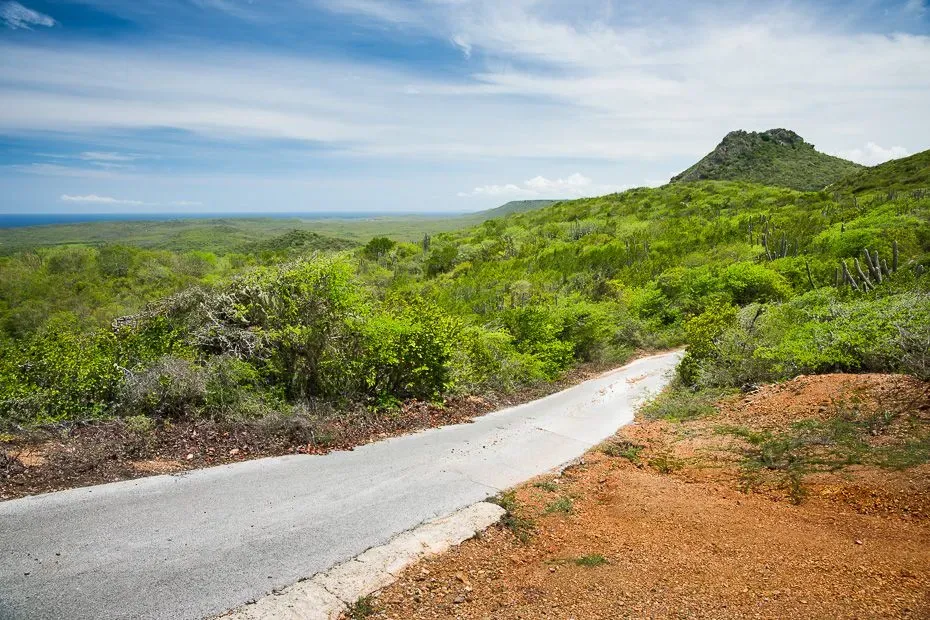
The roots of our neighbourhoods: history, name origins and stories of the barios of Curaçao.
Explore the barios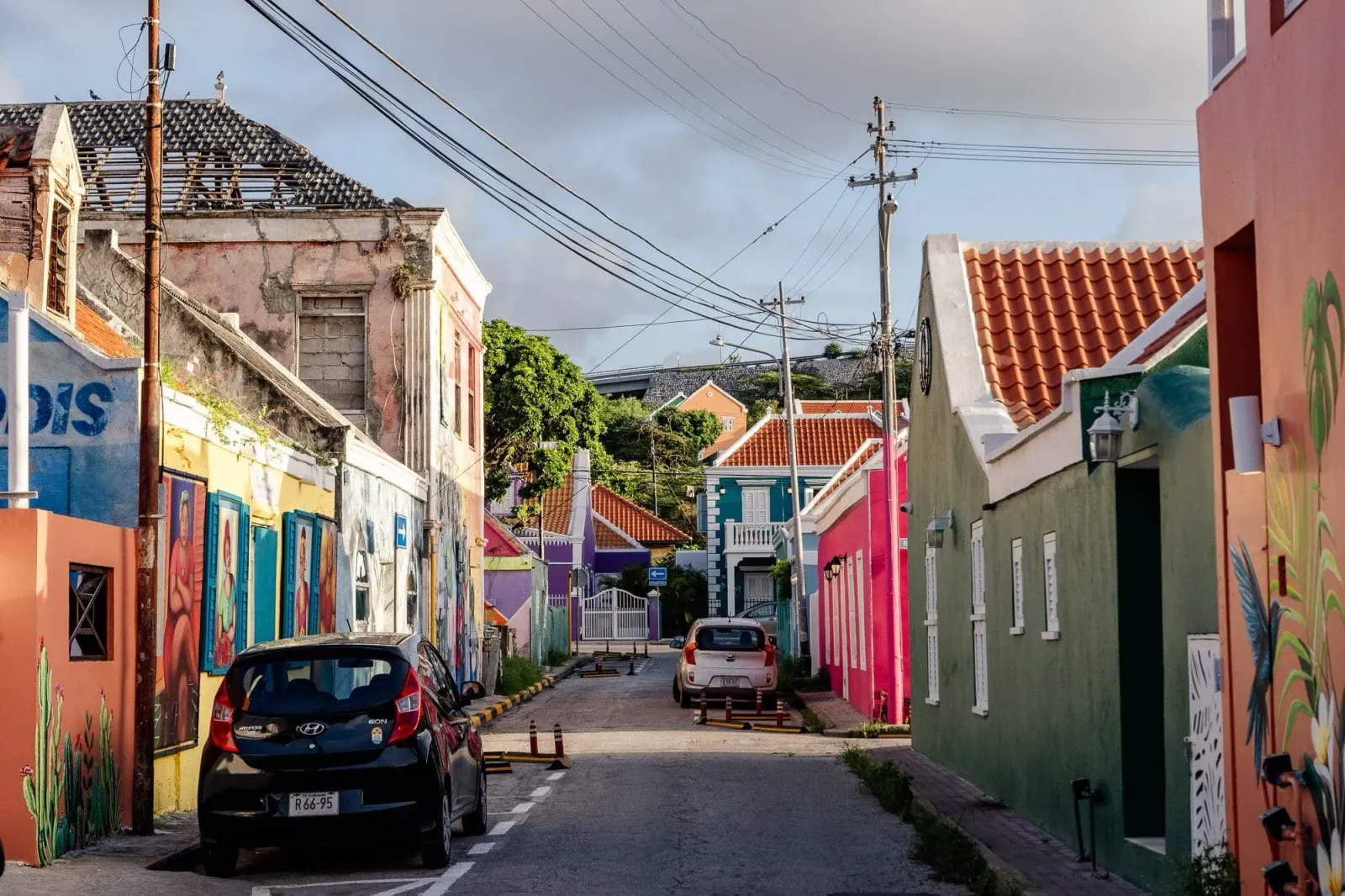
Every neighbourhood name hides a story
Often interesting, sometimes funny and almost always unknown.
Our mission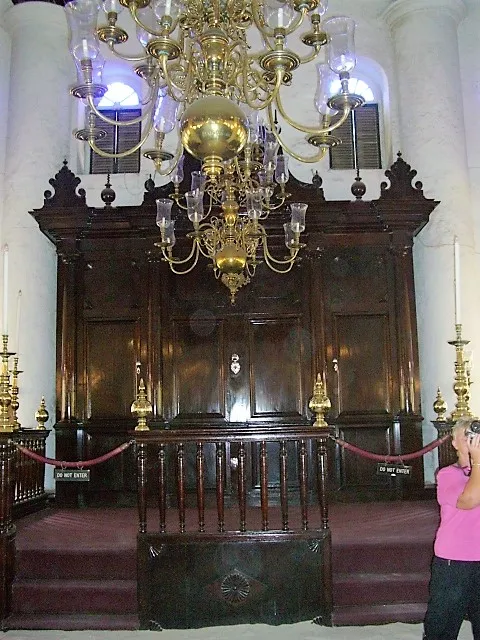
From Bandabou to Bandariba
How Amerindian villages, plantations, parishes and Shell shaped the neighbourhoods of Curaçao.
Read the history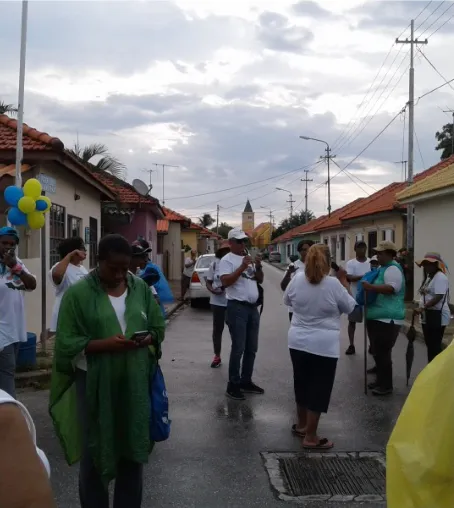
Our mission
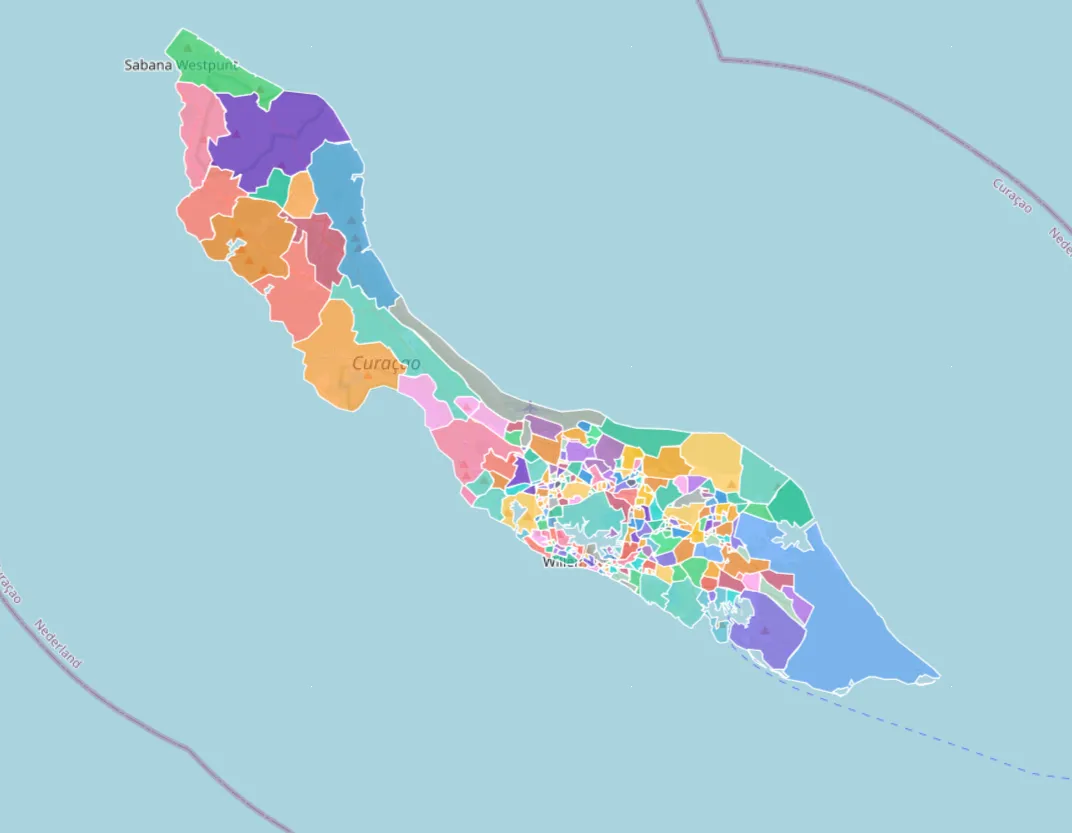
Presenting information about the origins, location, the origin of the names, characteristic features and special events related to the neighbourhoods (barios) of Curaçao.
Who are we?
Fundashon Famia, Núkleo di Bario provides information for the well-being of the family on the one hand, and on the other hand information about the origins of Curaçao’s neighbourhoods.
The foundation is registered in the Register of Foundations of the Chamber of Commerce & Industry of Curaçao under number 139611.
The seed for this initiative, Rais di mi Pais, was planted by Fundashon Famia, Núkleo di Bario, the roots are provided with the necessary nutrients by the Cultuurfonds Caribisch Gebied and the botanical maintenance is in the hands of B-Smart.
Origins of the barios
According to its geological development, Curaçao was formed some 100 million years ago by volcanic eruptions and earthquakes near the present-day Galapagos Islands, off the coast of Ecuador.
This formed the Caribbean plate with several islands, of which Curaçao is one of the oldest. Because this plate was moving, Curaçao once lay in the mouth of the Rio Magdalena in Colombia, so that sand, mud and clay released from the Andes by the earthquakes attached themselves to the volcanic rock.
The sediment of the Rio Magdalena, known here as the Middle Curaçao formation, can still be clearly seen around Rif Sint Marie.
Nos barionan
From Ascencion to Zjaro: discover the history and the origin of the names of Curaçao’s neighbourhoods.
Het unieke van Lagun is dat het aan de kust ligt, tussen twee baaien in, namelijk Playa Jeremi en Playa Lagun. De naam Lagun verwijst mogelijk naar…
Read more
Cas Abou is niet alleen één van de oudste maar ook één der kleinste en één van de meest verkochte plantages op Curaçao. Ook de zoutpannen zijn één…
Read more
Chèr Asil, oorspronkelijk Chère Asile, in de volksmond Sarasil, betekent ‘geliefd toevluchtsoord’. Hier lag volgens de auteur Junnes Sint Jago het…
Read more
Volgens oude documenten is in 1865 de gemeenschappelijke grens tussen Groot- en Klein Piscadera vastgesteld. Deze kleine plantage van 122 hectare is…
Read more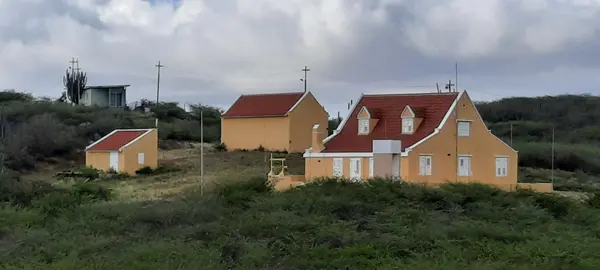
Een oud gezegde luidt: Si nos no topa na Wechi,nos lo kontra na Souax: Zie ik je niet bij Wechi, dan tref ik je wel bij Souax. Oftewel: ik kom je hoe…
Read more
Kenepa, oftewel Knip was vroeger de belangrijkste producent van dividivi (alias watapana- oftewel waaibomen) op het eiland. De droge dividivipeul was…
Read moreContact
Do you have an addition, an old photo or a story that has been passed down from generation to generation? We would love to hear from you!